The 4:30 AM Alarm
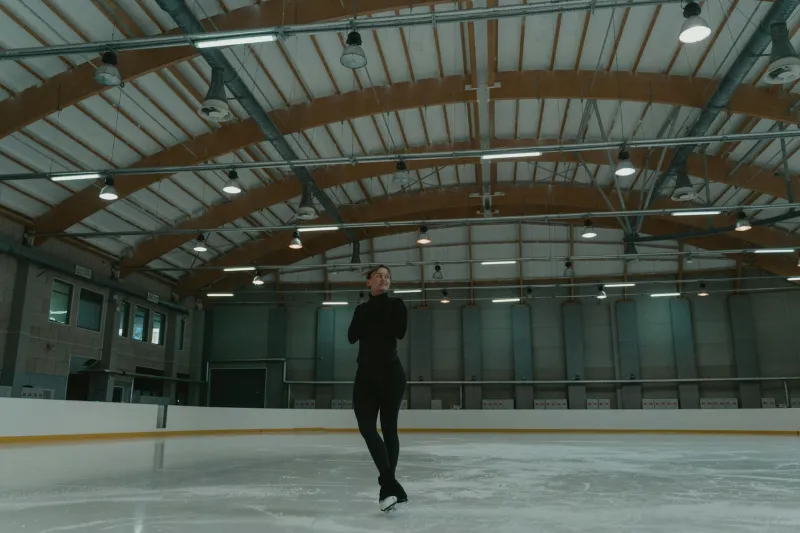
Anne Ramsay's alarm clock screams at 4:30 AM every morning, not because she has an early flight or a breakfast meeting, but because the ice at Northbrook Community Rink is cheapest before dawn. By 5 AM, she's lacing up skates in an empty arena, the only sound the scrape of blades against ice and the hum of refrigeration units keeping her dream frozen solid.
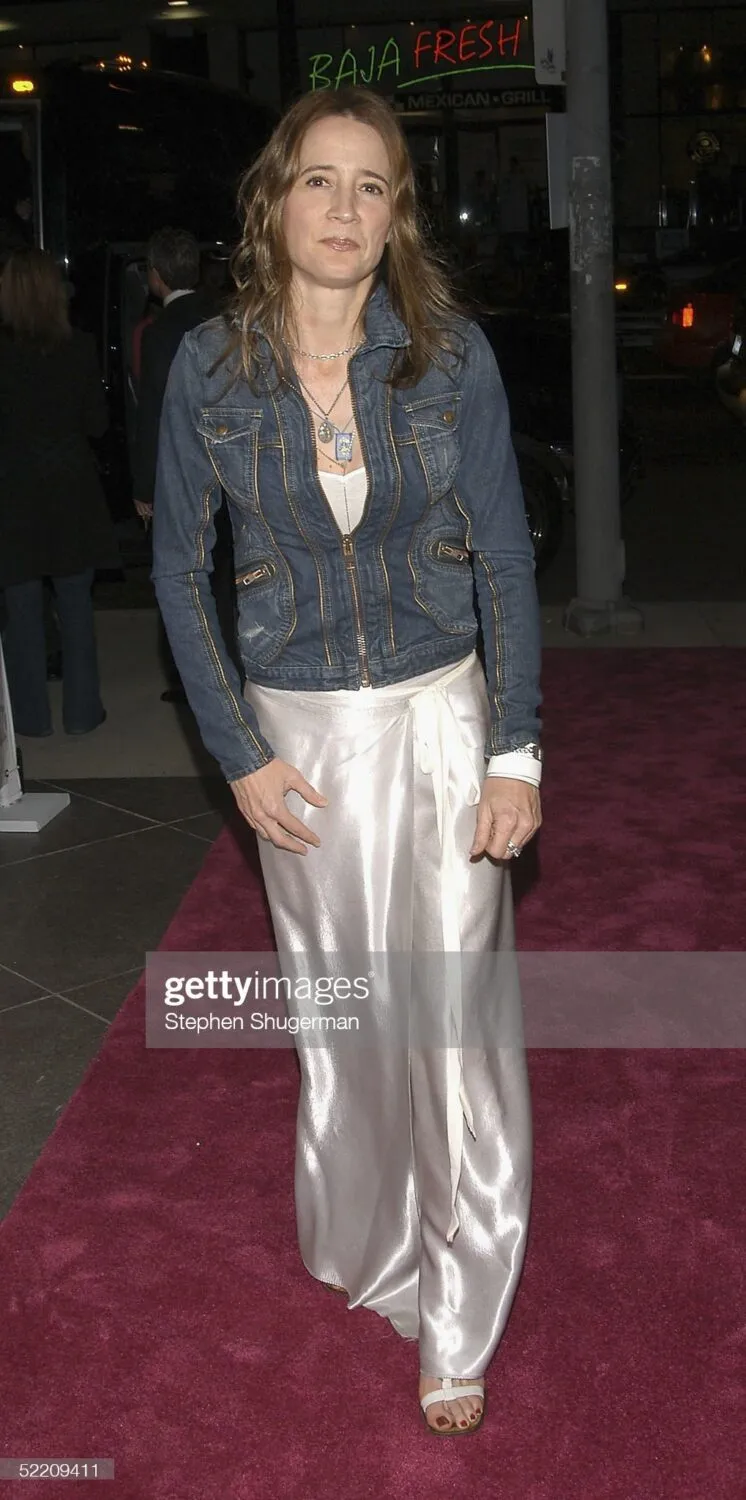 Photo: Anne Ramsay, via collegepill.com
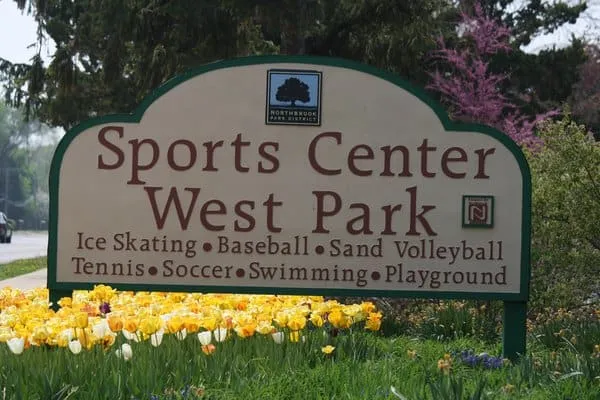 Photo: Northbrook Community Rink, via www.rinktime.com
She's 42 years old. She's a certified public accountant. And she's training for the U.S. Figure Skating Championships.
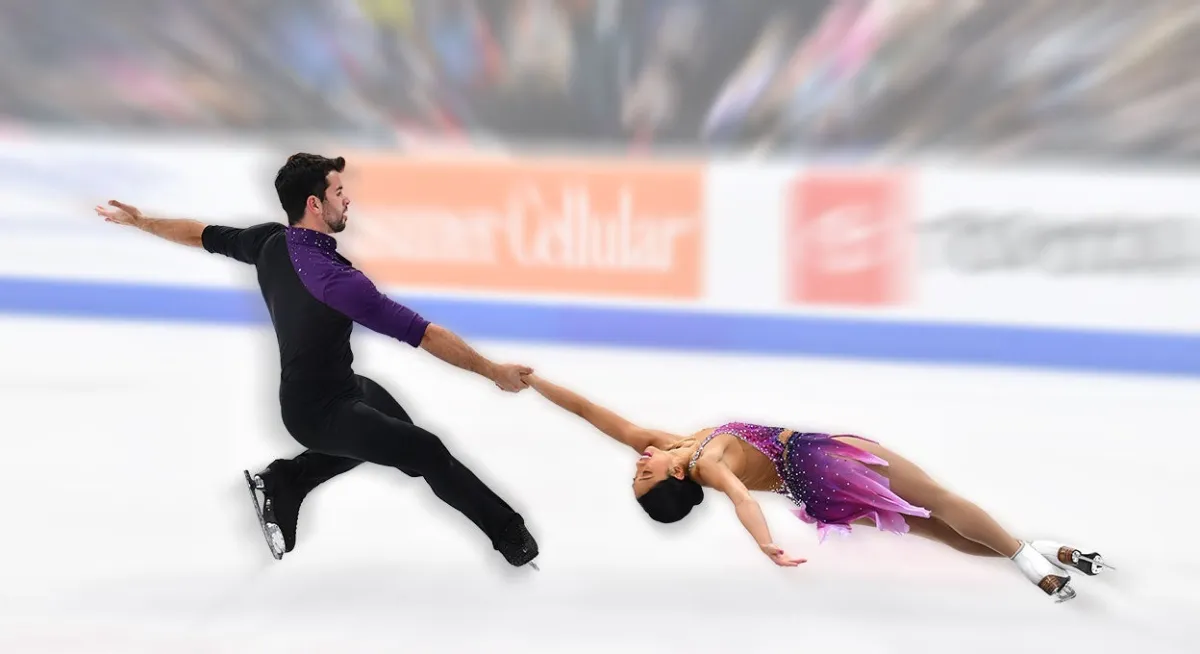 Photo: U.S. Figure Skating Championships, via www.nationwidearena.com
Most people would call this crazy. Ramsay calls it Tuesday.
The Late Bloomer's Manifesto
Ramsay didn't touch ice skates until she was 40—an age when most figure skaters are coaching the next generation or selling their old costumes on eBay. She'd spent two decades climbing the corporate ladder at a Chicago accounting firm, building a respectable career in tax preparation and financial planning.
Then her daughter started skating lessons.
"I was just supposed to drive her to the rink," Ramsay laughs, remembering those first tentative steps onto the ice. "But watching her learn, seeing the pure joy of movement—something clicked. I thought, 'Why should kids have all the fun?'"
What started as casual adult lessons quickly became an obsession. Within six months, Ramsay had private coaching sessions. Within a year, she was landing single jumps. Within two years, she was competing in adult sectional championships.
By year three, she was training six days a week and questioning her sanity.
The Economics of Impossible Dreams
Figure skating is an expensive sport under the best circumstances. When you're learning it as an adult with a mortgage and college savings accounts to fund, it becomes financially absurd.
Ramsay's monthly skating budget rivals most people's car payments: $800 for private lessons, $300 for ice time, $200 for blade maintenance, plus costumes, competition fees, and travel expenses. She estimates she's spent over $50,000 in three years chasing a dream most people abandon before high school graduation.
"My husband thinks I've lost my mind," she admits. "He's not wrong. But he also sees how happy this makes me. When you find something that lights you up from the inside, the cost becomes irrelevant."
Training Like a Teenager, Recovering Like a Senior Citizen
The physical demands of figure skating don't care about your age, but your body certainly does. Ramsay's training schedule would exhaust athletes half her age: two hours of ice time before work, an hour of off-ice conditioning during lunch breaks, ballet classes on weekends.
The recovery, however, takes longer than it used to.
"When I fall—and I fall a lot learning triple jumps—it takes me three days to stop hurting," she explains. "Teenagers bounce. I creak."
Yet Ramsay has advantages her younger competitors lack: discipline honed by decades of professional life, patience developed through years of complex tax codes, and the mental toughness that comes from surviving corporate restructuring.
"I know how to work systematically toward a goal," she says. "I know how to practice efficiently because my time is limited. And I know how to handle pressure because I've been handling deadlines and difficult clients for twenty years."
The Championship That Almost Was
In 2019, at age 43, Ramsay qualified for the U.S. Adult Figure Skating Championships—a feat that put her among the top senior-level skaters in the country. For six months, she trained with the intensity of an Olympic hopeful, working with former national champions and perfecting programs that would have impressed viewers half her age.
The championship was scheduled for April 2020.
COVID-19 had other plans.
The cancellation devastated Ramsay more than any fall or failed jump ever had. Three years of 4:30 AM wake-ups, thousands of dollars invested, and countless hours of training—all for a competition that simply vanished.
The Comeback Kid
Most athletes would have hung up their skates. Ramsay bought new ones.
"The pandemic taught me that this was never really about the competition," she reflects. "It was about proving to myself that age is just a number, that it's never too late to chase something that scares and excites you."
She's back on the ice now, training for future competitions with the same obsessive dedication that got her there in the first place. Her triple loop is getting more consistent. Her spiral sequence is competition-ready. Her alarm clock still screams at 4:30 AM.
The Quiet Revolution
Ramsay isn't alone in her late-blooming athletic ambitions. Across America, a quiet revolution of adult athletes is rewriting the rules of when dreams expire. Masters swimming, senior softball, adult ballet—middle-aged Americans are discovering that passion doesn't have an expiration date.
"Society tells us that after 40, we're supposed to be spectators," Ramsay observes. "We're supposed to watch our kids play sports, not play them ourselves. But why? Who made that rule?"
Ice Time Wisdom
What drives someone to sacrifice sleep, money, and social life for a sport they'll never master at a professional level? For Ramsay, the answer is simple: the pursuit itself is the reward.
"Every morning when I step onto that ice, I'm 16 again," she says. "I'm not an accountant with spreadsheets and tax deadlines. I'm just someone moving to music, trying to land a jump, chasing something beautiful."
Ramsay may never make the Olympics. She may never win a national championship. But she's already accomplished something more valuable: she's proven that extraordinary doesn't have an age limit, that dreams don't expire at 30, and that the ice is always ready for anyone brave enough to step onto it.
Even at 4:30 in the morning.