Last Place, First in Hearts: The Tanzanian Runner Who Lost the Race but Won the World
The Grocer Who Dreamed of Gold
John Stephen Akhwari never intended to become a symbol of human perseverance. In 1968, he was just a 30-year-old grocery clerk from Tanzania who happened to run fast enough to make his country's Olympic team. No grand ambitions, no lifetime of elite training—just a man who could cover 26.2 miles faster than most of his countrymen.
 Photo: John Stephen Akhwari, via 1.bp.blogspot.com
Tanzania had only gained independence seven years earlier. Sending athletes to the Mexico City Olympics wasn't about medal expectations; it was about showing the world that this young African nation belonged on sport's biggest stage. Akhwari understood the weight of representation, even if he couldn't have predicted how profoundly he would fulfill that responsibility.
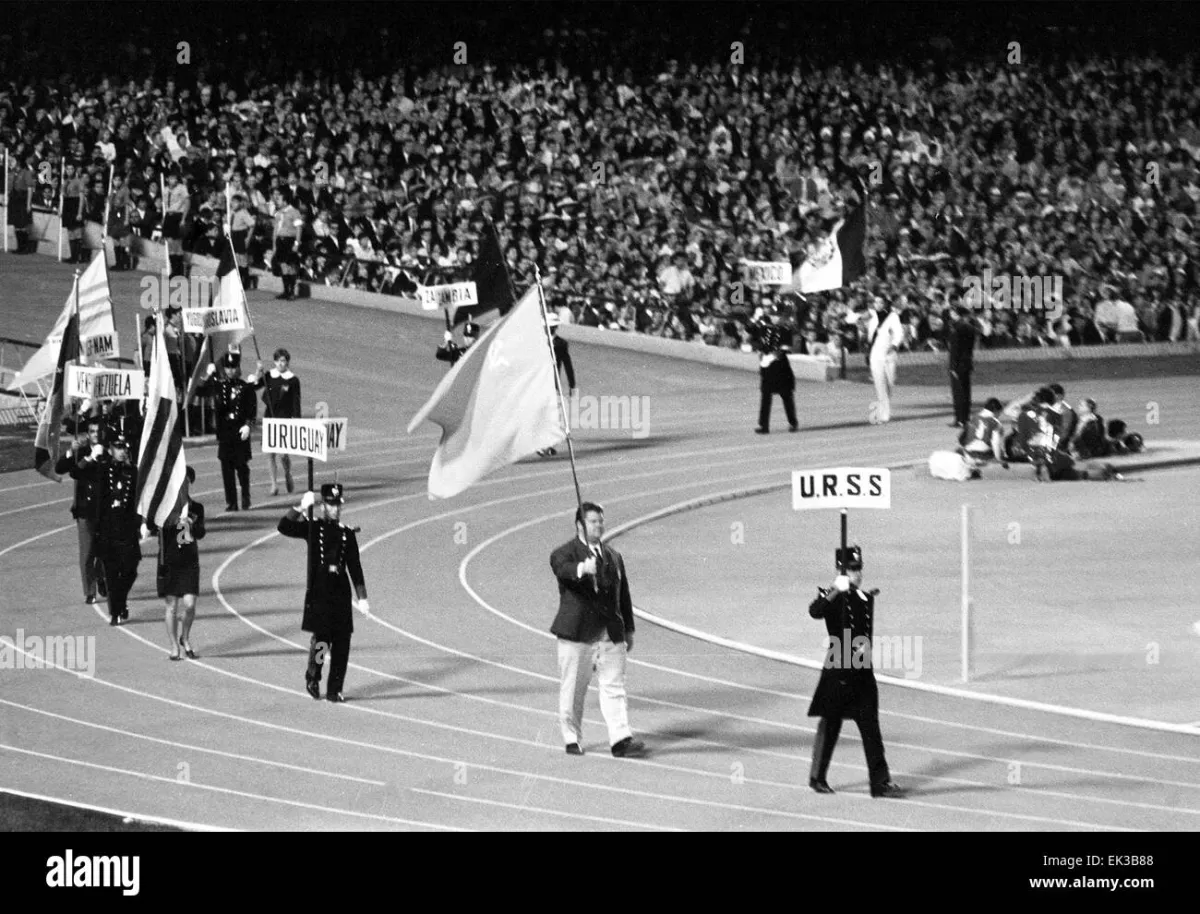 Photo: Mexico City Olympics, via c8.alamy.com
When Everything Went Wrong
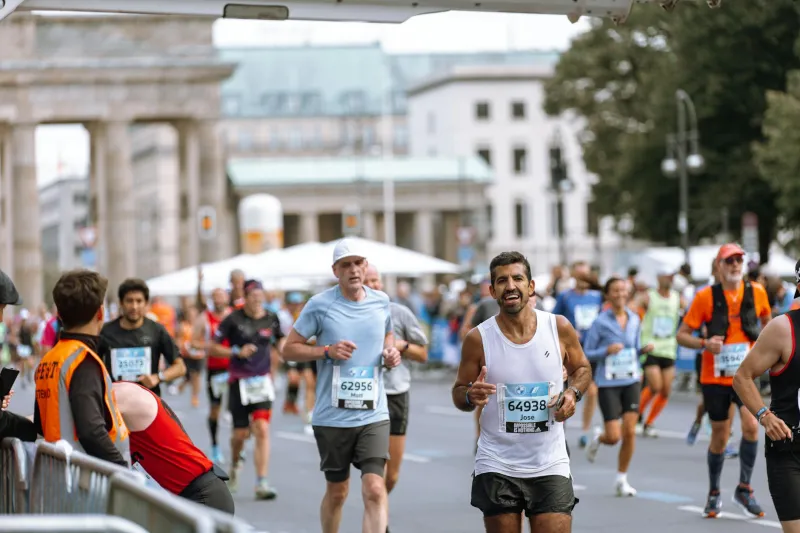
October 20, 1968, dawned clear and cool in Mexico City—perfect conditions for marathon running. As the starting gun fired, Akhwari settled into the pack of 75 runners, representing his country with quiet dignity among the world's elite distance athletes.
For the first half of the race, everything proceeded according to plan. Akhwari maintained a steady pace, neither pushing too hard nor falling too far behind. He was running the race of his life in the biggest competition he'd ever entered.
Then, around the 19-kilometer mark, disaster struck. In the jostling and bumping inevitable in any large field, Akhwari went down hard. His right leg twisted awkwardly beneath him, his knee dislocating with a sickening pop that several nearby runners later recalled hearing.
As other marathoners streamed past, Akhwari lay on the asphalt, blood seeping from cuts on his leg, his Olympic dream apparently over before he'd even reached the halfway point.
The Decision That Changed Everything
Most athletes would have called it a day. Medical officials were ready to transport Akhwari to the hospital. His coaches would have understood. His country would have forgiven him. Sometimes, the wise choice is knowing when to quit.
But as Akhwari later explained, quitting never occurred to him. "My country didn't send me 5,000 miles to start the race," he would say. "They sent me 5,000 miles to finish it."
With his leg hastily bandaged, Akhwari climbed back to his feet and resumed running. Not the smooth, efficient stride that had carried him through training, but a painful, determined hobble that would become one of sport's most enduring images.
The Longest Hour in Olympic History
Mamo Wolde of Ethiopia had already won the gold medal. The silver and bronze medalists had collected their hardware. Television coverage had ended. Most spectators had gone home. The sun was setting over Mexico City's Olympic Stadium.
Then, more than an hour after the winner had finished, a figure appeared at the stadium entrance. Bloodied, bandaged, and limping badly, John Stephen Akhwari entered the arena to scattered applause that quickly grew into something approaching reverence.
The few thousand spectators still in the stadium rose to their feet. These weren't just polite Olympic crowds offering courtesy applause—they were witnessing something that transcended competition. As Akhwari circled the track one final time, every person present understood they were seeing the Olympic spirit in its purest form.
The Question That Defined a Legacy
After crossing the finish line in last place, Akhwari was approached by a reporter who asked the question that would define his legacy: "Why did you continue running when you were so badly injured and had no chance of winning?"
Akhwari's response was simple, profound, and unforgettable: "My country didn't send me 5,000 miles to start the race. They sent me 5,000 miles to finish it."
In that moment, he articulated something that resonated far beyond athletics. In a world increasingly focused on winning at all costs, here was a man who understood that some victories can't be measured by finishing position or medal count.
More Than a Moment
The image of Akhwari's finish was broadcast worldwide, becoming one of the most replayed moments in Olympic history. Not because he won, but because he embodied everything the Olympic movement claimed to represent: excellence, friendship, and respect.
His story has been retold countless times, inspiring everyone from weekend warriors to world-class athletes. The 1968 Olympics are remembered for many things—political protests, world records, controversy—but John Stephen Akhwari's hobbling finish remains the most purely human moment of those games.
The Grocer's Enduring Lesson
Akhwari returned to Tanzania as a national hero, though he remained characteristically modest about his newfound fame. He continued working, continued running, and continued living with the same quiet dignity he had shown on that Mexico City track.
Years later, he would be invited back to numerous Olympic ceremonies, honored not as a former competitor but as a living embodiment of Olympic values. The grocery clerk who finished last had somehow finished first in the race that mattered most.
Why We Remember
In an era obsessed with personal bests and podium finishes, John Stephen Akhwari's story reminds us that sport's greatest moments often have nothing to do with who crosses the line first. Sometimes, the most important victories happen when nobody's watching, when continuing seems impossible, when the only person keeping score is your own conscience.
The man who lost the race won something more valuable—a permanent place in the hearts of everyone who believes that showing up, especially when it's hard, is the most human thing we can do.