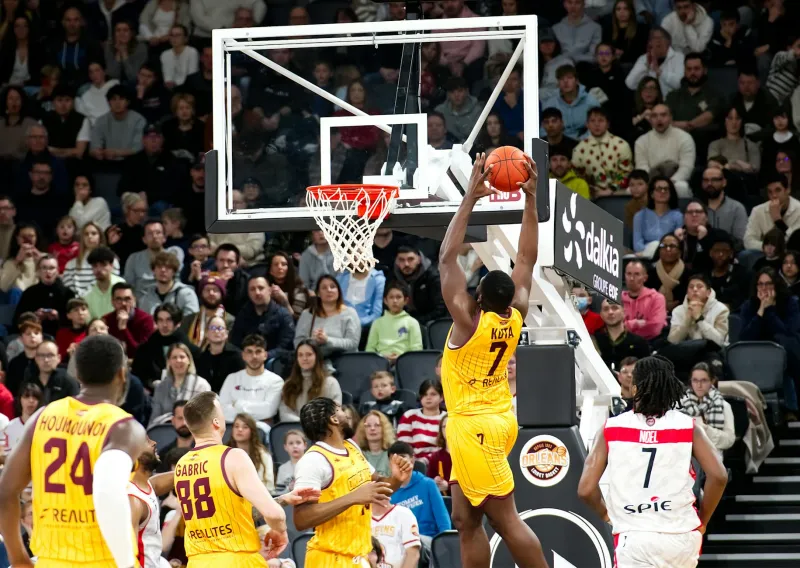
The Night Everything Changed
On a bitter February evening in 1934, Ned Irish found himself locked out of a Manhattan College basketball game he desperately needed to cover for the New York World-Telegram. The doors were bolted shut, the crowd was roaring inside, and Irish faced a choice that would accidentally reshape American sports forever.
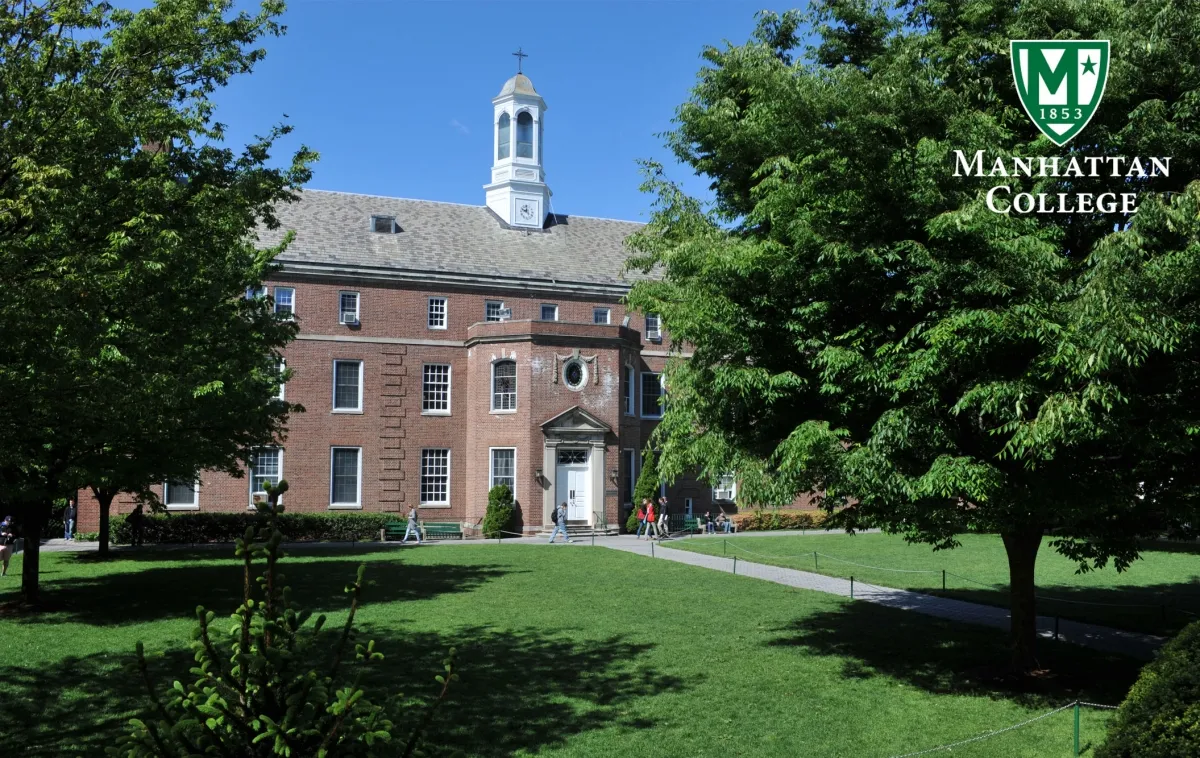 Photo: Manhattan College, via smapse.com
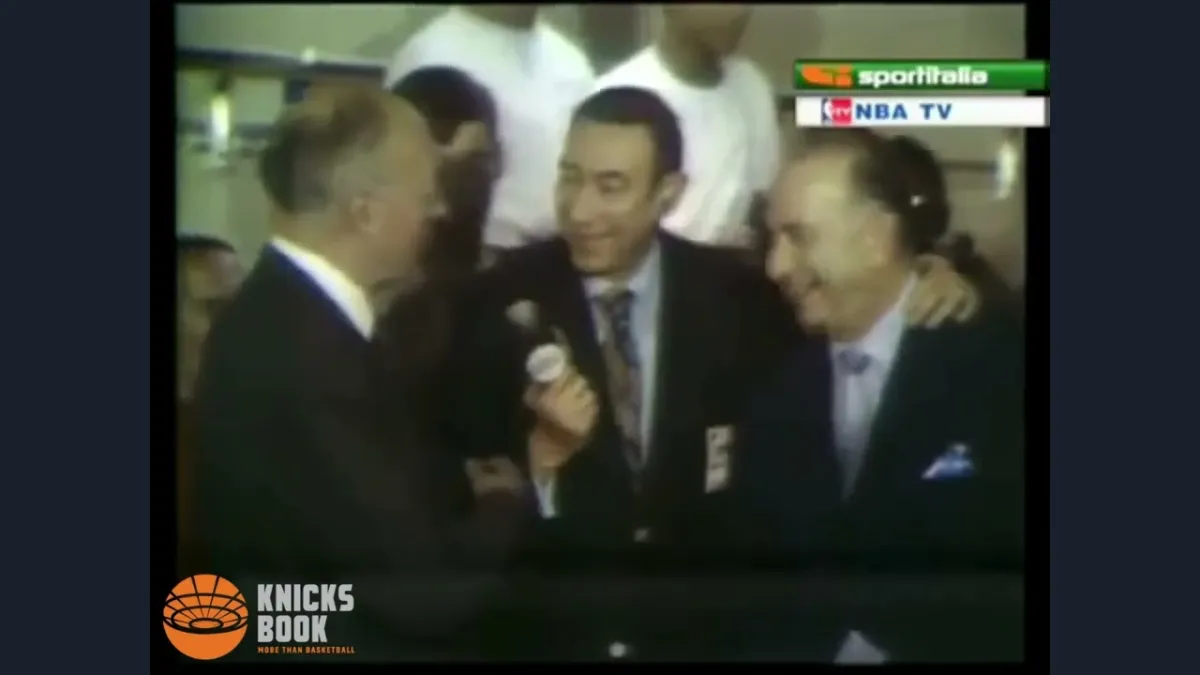 Photo: Ned Irish, via www.collegenetworth.com
He climbed through a window.
That broken pane of glass cost him his dignity and tore his best coat, but it gave him something far more valuable: a front-row seat to witness 18,000 screaming fans packed into a sweltering gymnasium, watching college kids play what most Americans still considered a YMCA curiosity.
Irish, the son of a Cleveland butcher who had never touched a basketball in his life, saw something the sports world had missed entirely. This wasn't just a game—it was pure entertainment gold waiting to be mined.
From Meat Counter to Madison Square Garden
Ned Irish's path to basketball royalty began in the most unlikely place imaginable: behind his father's meat counter in Cleveland. While other kids dreamed of athletic glory, Irish spent his afternoons wrapping parcels and learning the family business. His father expected him to inherit the shop, but young Ned had different plans.
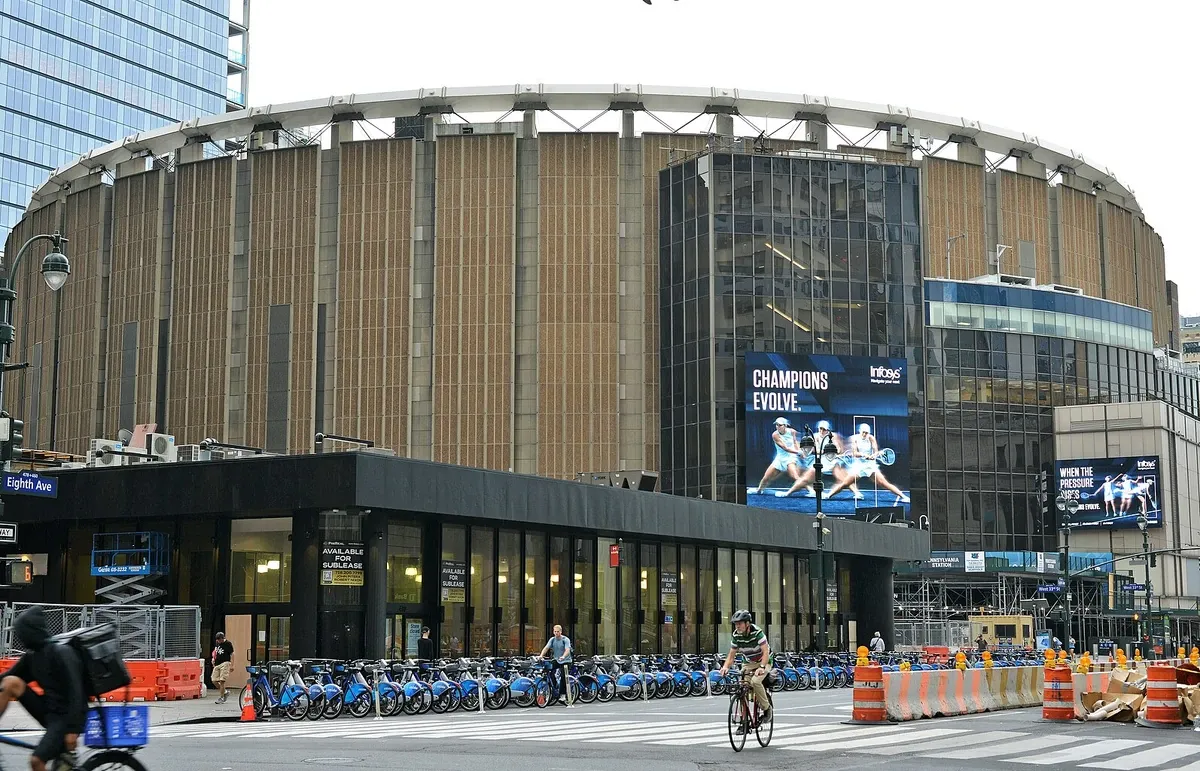 Photo: Madison Square Garden, via static.wikia.nocookie.net
After graduating from the University of Pennsylvania with a journalism degree, Irish landed a job covering sports for the World-Telegram. He wasn't assigned to the glamorous beats—no Yankees or Giants for the butcher's boy. Instead, he got college basketball, a sport so unimportant that most newspapers buried the scores next to bowling results.
But Irish approached his beat with the methodical precision he'd learned weighing meat. He studied attendance figures, analyzed crowd reactions, and noticed something his colleagues missed: basketball games consistently drew bigger crowds than anyone expected.
The Gamble That Built an Empire
After that window-crashing revelation, Irish pitched an audacious idea to Madison Square Garden's management: move college basketball games from cramped gymnasiums to the biggest arena in New York City. The Garden's executives thought he was insane. Basketball in a venue that hosted heavyweight boxing and political conventions? Impossible.
Irish persisted with the quiet determination of someone who'd spent years convincing customers to buy premium cuts. He offered to personally guarantee the first event's expenses—a massive financial risk for a newspaper reporter living paycheck to paycheck.
On December 29, 1934, Madison Square Garden hosted its first college basketball doubleheader. Irish had convinced New York University, Notre Dame, Westminster, and St. John's to participate. He priced tickets affordably, promoted relentlessly, and prayed his instincts were right.
The Garden sold out. Twice.
Building the Blueprint
What happened next wasn't luck—it was systematic genius. Irish didn't just book random games; he crafted narratives. He matched regional powerhouses against New York schools, creating natural storylines that newspapers couldn't ignore. He scheduled doubleheaders to maximize value, understanding that fans wanted full evenings of entertainment.
Most importantly, Irish grasped something that eluded traditional sports promoters: basketball's pace and scoring created natural drama. Unlike baseball's methodical rhythms or football's weather-dependent seasons, basketball delivered consistent excitement in climate-controlled comfort.
Within two years, Irish's college basketball promotions were outdrawing professional hockey and boxing at Madison Square Garden. He'd accidentally discovered that Americans craved fast-paced, high-scoring entertainment—they just needed someone to package it properly.
The Professional Revolution
By the 1940s, Irish had become college basketball's most powerful promoter, but he sensed an even bigger opportunity. If college players could pack arenas, what about professionals?
In 1946, Irish joined a group of arena owners forming the Basketball Association of America—the direct predecessor to the NBA. His Madison Square Garden became the league's flagship venue, and his promotional expertise became the template for professional basketball marketing.
Irish understood that basketball needed more than talented players; it needed compelling personalities and dramatic storylines. He helped develop the fast-break style that maximized scoring, supported rule changes that increased game flow, and promoted individual stars who could capture public imagination.
The Legacy of a Broken Window
When Ned Irish retired in 1974, professional basketball had evolved from a gymnasium novelty into a multi-million-dollar entertainment industry. The NBA was expanding nationally, television contracts were growing exponentially, and basketball was challenging baseball for America's sporting affections.
None of it might have happened without that freezing night in 1934 when a butcher's son crashed through a window and accidentally discovered basketball's commercial potential.
Irish never claimed to be a visionary. He insisted he was simply a reporter who stumbled onto a good story. But his methodical approach to promotion, his understanding of entertainment value, and his willingness to risk everything on untested ideas created the foundation for modern basketball business.
Today's billion-dollar NBA franchises, global superstars, and arena entertainment complexes all trace their DNA back to that broken window and the unlikely promoter who climbed through it. Sometimes the most revolutionary changes come not from grand strategies, but from ordinary people willing to take extraordinary risks when opportunity shatters the glass right in front of them.