Gloves Off: The Sanitation Worker Who Threw Punches Nobody Counted
The 4 AM Shift
Tommy Castellano's alarm clock rang at 3:30 every morning for twelve years. By 4 AM, he was already climbing into the cab of Sanitation Truck #47, ready to work the residential routes of Akron, Ohio. By 6 PM, after eight hours of hauling refuse bins and dodging traffic, most men his age were cracking open a beer and settling into their recliners.
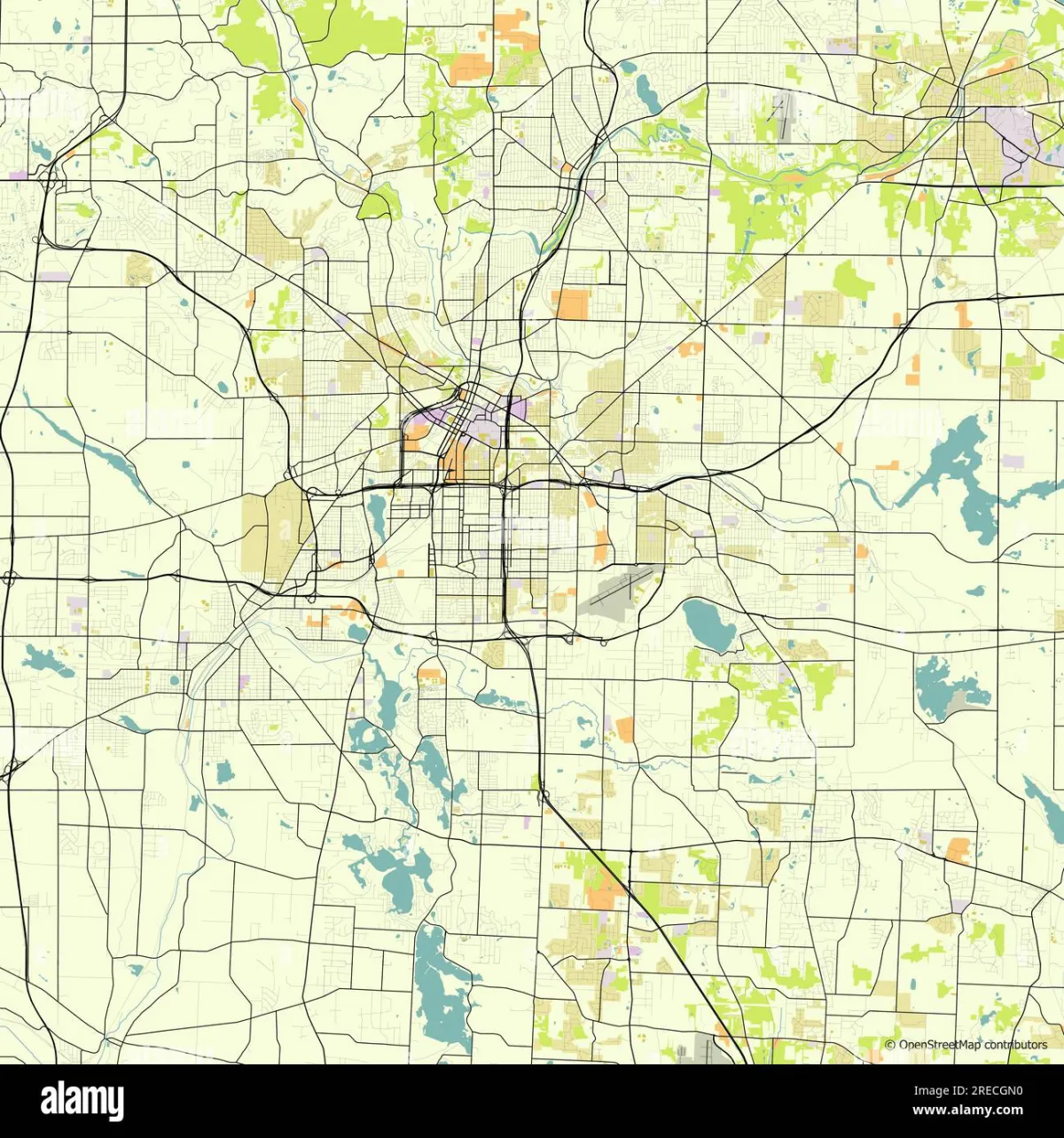 Photo: Akron, Ohio, via c8.alamy.com
Castellano was lacing up boxing gloves.
Between 1951 and 1963, this soft-spoken Italian-American fought 247 amateur boxing matches. He lost exactly nine times. His record should have made him a household name across the Midwest, maybe even earned him a shot at the 1960 Olympics in Rome. Instead, Tommy Castellano became the most decorated amateur boxer that America never heard of—a champion who punched his way through church basements and community centers while the boxing establishment looked the other way.
 Photo: 1960 Olympics in Rome, via img.olympics.com
Sacred Grounds
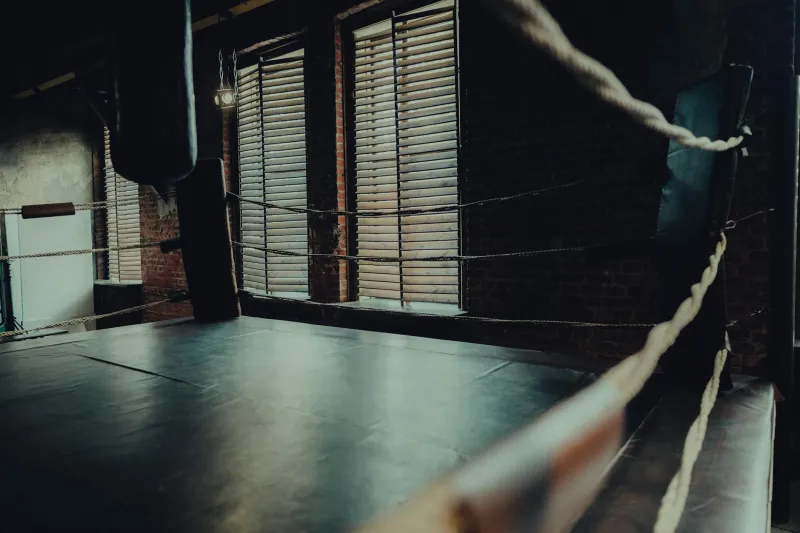
The basement of St. Anthony's Catholic Church wasn't much to look at. Concrete floors, exposed pipes, and a heavy bag that Father McKenna had hung from the ceiling joists sometime in 1949. But three nights a week, that basement transformed into one of Ohio's most unlikely boxing laboratories.
 Photo: St. Anthony's Catholic Church, via icsarc.com
Castellano discovered the makeshift gym by accident. He'd been dropping off his youngest daughter for choir practice when he heard the unmistakable sound of leather hitting leather echoing from below. Father McKenna, a former Golden Gloves fighter himself, had started the program to keep neighborhood kids off the streets. He took one look at Castellano's broad shoulders and calloused hands and made an offer that would change everything.
"You ever think about hitting something besides garbage cans?"
The Invisible Circuit
What most people didn't understand about amateur boxing in the 1950s was how fractured the landscape really was. While sports writers focused on the glamorous Golden Gloves tournaments in New York and Chicago, hundreds of smaller competitions thrived in American Legion halls, church basements, and union meeting rooms across the country.
Castellano fought in this shadow circuit—the Tuesday night tournaments in Cleveland, the weekend competitions in Pittsburgh, the charity matches that raised money for local fire departments. He'd finish his sanitation route, shower at the depot, and drive his beat-up Chevrolet to whatever venue would have him.
The purses were small, sometimes just enough to cover gas money. But the competition was fierce. Many of these fighters were men like Castellano—working-class athletes who couldn't afford to train full-time but possessed a hunger that money couldn't buy.
The Record Keeper
For years, nobody bothered to track Castellano's wins and losses. Amateur boxing in the 1950s operated on handshake agreements and carbon-copy receipts. Fighters kept their own records, if they kept them at all.
That changed when Margaret O'Malley started attending matches.
O'Malley, a retired school teacher and boxing enthusiast, had been documenting the Ohio amateur scene since 1948. She attended nearly every fight within a hundred-mile radius of Cleveland, armed with a stenographer's notebook and an obsessive attention to detail. Her meticulous records would later prove invaluable when boxing historians tried to piece together the careers of forgotten fighters like Castellano.
According to O'Malley's notebooks, Castellano's most impressive streak came between 1957 and 1959, when he won forty-three consecutive fights. His opponents included former college athletes, military veterans, and several fighters who would later turn professional with moderate success.
The Fight That Changed Everything
December 15, 1962. The annual Christmas tournament at the Croatian-American Club in Cleveland. Castellano, now thirty-four and showing the wear of twelve years in the ring, faced Jerry Kowalski, a twenty-two-year-old from Detroit with legitimate professional aspirations.
The fight lasted four rounds. In the third, Kowalski caught Castellano with a left hook that sent him to the canvas for the first time in over three years. Castellano got up, finished the round, and won a unanimous decision. But something was wrong.
The headaches started that night and never fully went away. Castellano fought six more times over the next eight months, winning all six, but Father McKenna and Margaret O'Malley both noticed the change. His reflexes had slowed. His balance seemed off. After his final victory in August 1963, they convinced him to hang up the gloves.
The Paper Trail
Castellano died in 1987, having never spoken publicly about his boxing career. His children found Margaret O'Malley's business card in his wallet, along with a few yellowed newspaper clippings from small-town Ohio papers. When they called her, O'Malley was eighty-three and still sharp as a tack.
"Your father was the best amateur boxer I ever saw," she told them. "And I saw them all."
O'Malley had donated her boxing archives to the International Boxing Research Organization in 1985. Buried among thousands of fight cards and scorecards was Tommy Castellano's complete record: 238 wins, 9 losses, 127 knockouts.
Those numbers would have placed him among the greatest amateur boxers of his era—if anyone had been paying attention.
The Invisible Champions
Castellano's story wasn't unique. The 1950s and early 1960s produced dozens of working-class boxers who competed in America's shadow circuits. They were steelworkers and factory hands, truck drivers and sanitation workers. They fought for pride, for competition, and for the simple satisfaction of testing themselves against other men who understood what it meant to work with their hands.
Most of their stories died with them. But thanks to obsessive record-keepers like Margaret O'Malley, we occasionally catch glimpses of these invisible champions—men who achieved greatness in church basements and union halls, far from the bright lights and big crowds.
Tommy Castellano hauled garbage for thirty-two years. He threw punches for twelve. Only one of those jobs made the newspapers when he retired, but both defined the man he was. In America's hidden corners, that's often how legends are made—one day, one fight, one forgotten victory at a time.