The Worst Job Interview in Political History
Jimmy Carter walked out of the White House on January 20, 1981, carrying his own garment bag. No motorcade, no fanfare—just a 56-year-old former peanut farmer heading home to Plains, Georgia, population 600, with a 74% disapproval rating trailing behind him like exhaust fumes.
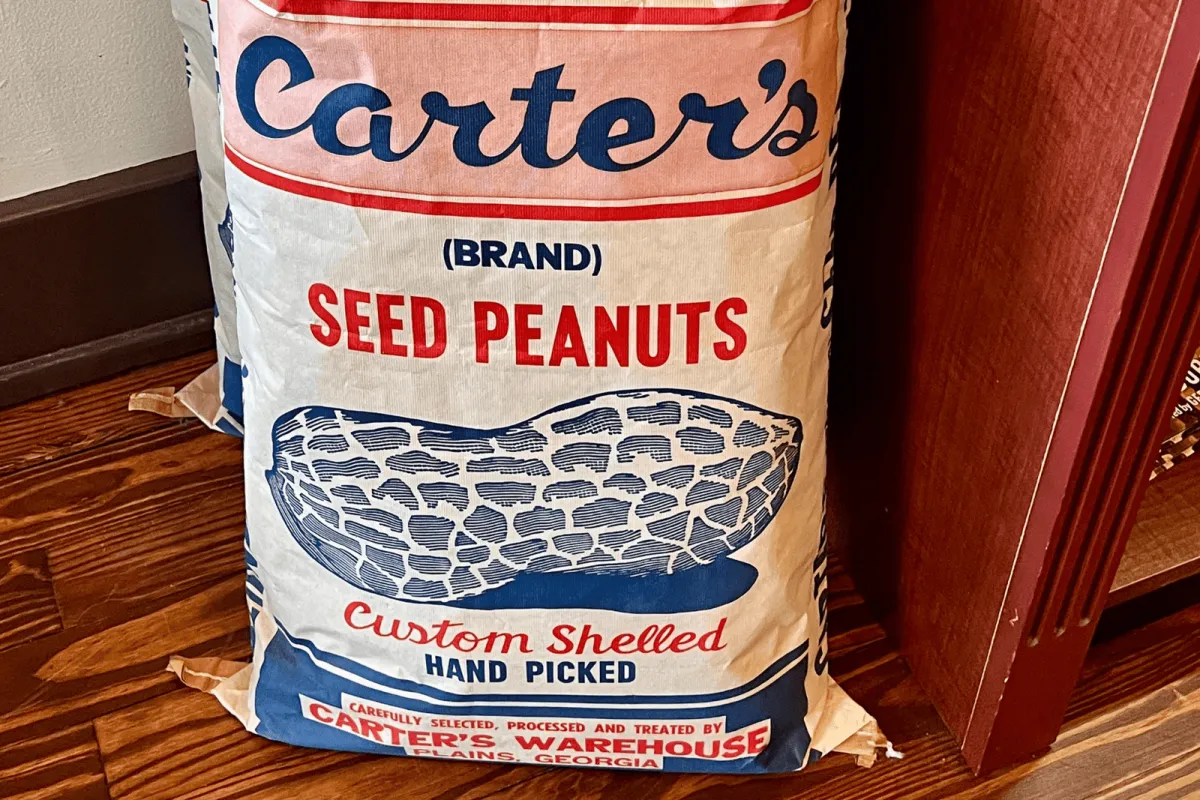 Photo: Plains, Georgia, via fittinginadventure.com
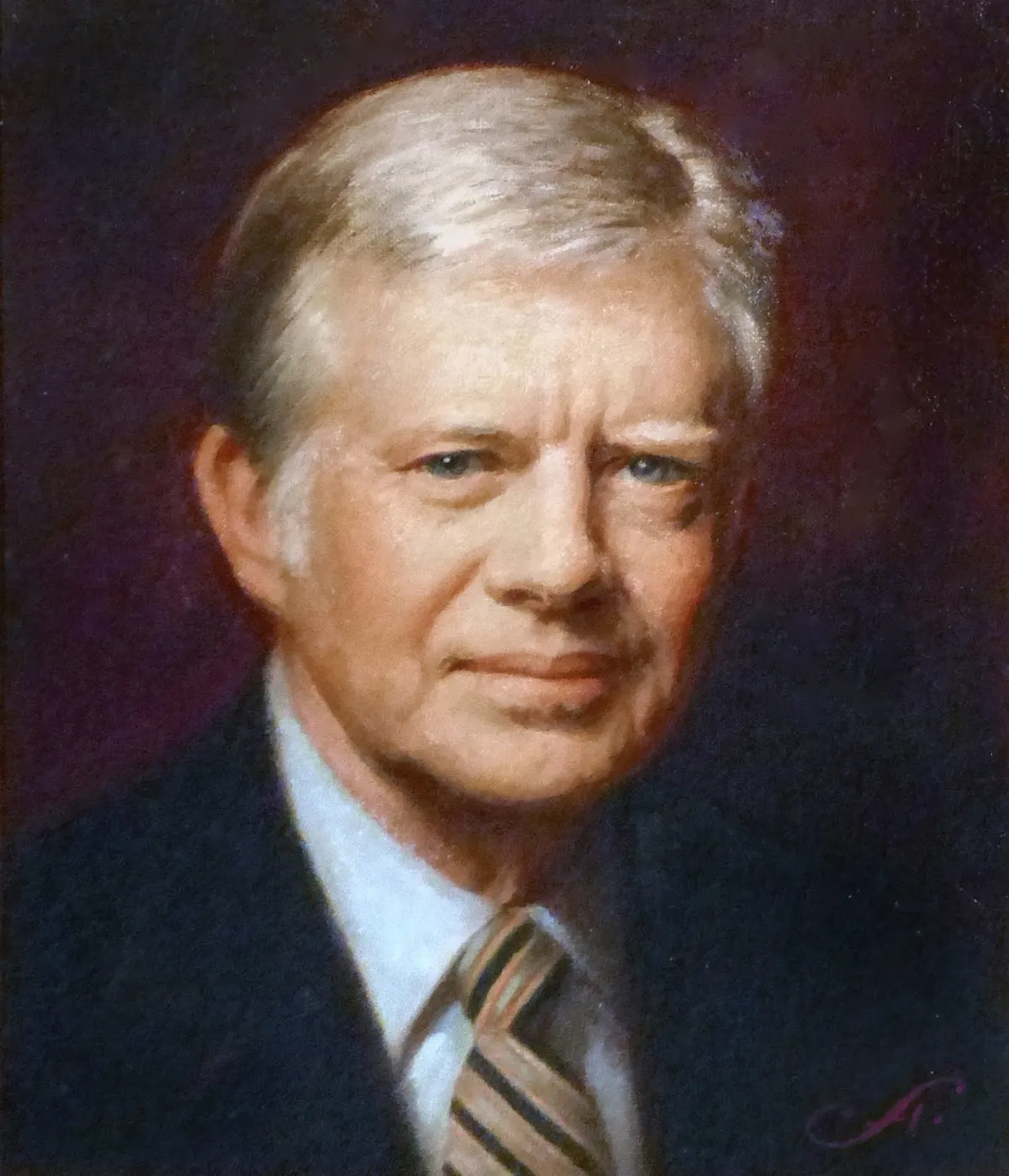 Photo: Jimmy Carter, via 2.bp.blogspot.com
Most ex-presidents retreat into lucrative speaking circuits or corporate boards. Carter went back to his toolshed.
What happened next rewrote the playbook on American leadership and turned political failure into humanitarian triumph. The man who couldn't fix the economy became the guy who literally hammered out a new definition of service—one nail, one negotiation, one impossible peace deal at a time.
Building Houses, Rebuilding Purpose
In 1984, Carter showed up at a Habitat for Humanity worksite in New York City. He wasn't there for a photo op. He brought his own hammer.
 Photo: Habitat for Humanity, via assets.habitat.ca
For nearly four decades since, Carter has swung that hammer on construction sites from Tennessee to Thailand, building homes for families who never expected a former president to show up in work boots and a tool belt. Even at 98, battling cancer and using a walker, he was still framing walls.
This wasn't charity work—it was Carter redefining what power looked like after power. While other ex-presidents commanded six-figure speaking fees, Carter was commanding respect one two-by-four at a time.
The Diplomat Who Wouldn't Quit
But the hammer was just the beginning. Carter discovered that being an ex-president opened doors that being president never could. Without the constraints of party politics or electoral consequences, he became America's unofficial ambassador to the world's most forgotten conflicts.
In 1994, while President Clinton prepared for military intervention in Haiti, Carter flew to Port-au-Prince and talked the military junta into stepping down—preventing an invasion with nothing but conversation. He pulled similar diplomatic rabbits out of impossible hats in North Korea, Sudan, and Bosnia.
The pattern was always the same: Carter would insert himself into situations where official diplomacy had failed, armed with nothing but moral authority and a stubborn refusal to accept that peace was impossible.
The Eradication Obsession
Perhaps Carter's most audacious post-presidency project was his war against Guinea worm disease—a parasitic infection that once afflicted 3.5 million people annually, mostly in remote African villages.
When Carter started his campaign in 1986, the medical establishment called eradication impossible. The parasite had been tormenting humans for millennia. But Carter approached Guinea worm like he approached everything else: with methodical persistence and an engineer's faith that complex problems have solutions.
He visited affected villages personally, sometimes flying into war zones to check on progress. He negotiated ceasefires between warring factions just to allow health workers safe passage. He turned a microscopic parasite into a personal mission.
Today, Guinea worm cases number in the dozens globally. Carter didn't just witness near-eradication—he engineered it.
The Nobel Prize Nobody Expected
In 2002, the Nobel Committee awarded Carter the Peace Prize, not for his presidency, but for his decades of post-presidential work. The citation praised his "untiring effort to find peaceful solutions to international conflicts, to advance democracy and human rights, and to promote economic and social development."
It was vindication for a man who had spent 20 years proving that losing an election doesn't mean losing your chance to change the world. Carter had turned rejection into resurrection, failure into a different kind of success.
The Long Game of Legacy
Carter's post-presidency lasted longer than the presidencies of FDR and Reagan combined. He proved that sometimes your real calling doesn't reveal itself until after everyone thinks you've failed.
The peanut farmer who couldn't solve the Iran hostage crisis became the ex-president who solved conflicts from Korea to Sudan. The man who lost re-election in a landslide became the most respected American statesman of his generation.
Lessons from Plains
Carter's story isn't just about political redemption—it's about redefining success when the world has written you off. He showed that influence doesn't require office, that leadership doesn't need a title, and that your most important work might begin when everyone thinks your career is over.
In a culture obsessed with winning, Carter proved that sometimes the most powerful thing you can do is lose gracefully—and then get back to work. Not for applause or approval ratings, but because the work itself matters.
From his front porch in Plains, Georgia, Jimmy Carter built a legacy that no election could touch and no poll could measure. He turned obscurity into opportunity and proved that the best second acts are written by people who refuse to believe the story is over.