Checkout Champions: Seven Legends Who Were Scanning Barcodes When Glory Called

When the Phone Rings Between Price Checks
Nothing says "plot twist" quite like getting recruited for the Hall of Fame while you're asking if someone found everything okay today. These seven sports legends were deep in the retail trenches when opportunity knocked—and they answered between customer complaints and inventory counts.
Kurt Warner - From Overnight Stock to Super Bowl Stock
Long before he was slinging touchdown passes, Kurt Warner was slinging groceries at a Hy-Vee supermarket in Cedar Falls, Iowa. The future NFL MVP spent his nights restocking shelves for $5.50 an hour, dreaming of a football career that seemed increasingly unlikely with each case of cereal he unpacked.
 Photo: Kurt Warner, via staticg.sportskeeda.com
Warner's big break came in 1998 when Trent Green got injured and the St. Louis Rams needed a quarterback. The call came while Warner was working his grocery shift, and within months he went from asking "Paper or plastic?" to asking "How does it feel to be Super Bowl MVP?"
The best part? Warner kept his grocery store job even after making the Rams roster, just in case football didn't work out. Smart move for a guy who would eventually throw for over 32,000 yards in the NFL.
Pat Summitt - Managing a Five-and-Dime Before Managing Championships
Before she became the winningest coach in college basketball history, Pat Summitt was managing the cosmetics counter at a five-and-dime store in rural Tennessee. The future Tennessee Lady Vols coach was selling lipstick and nail polish when the university called with an offer to coach their women's basketball team.
Summitt was 22 years old and making $8,900 a year when she took the job in 1974. She'd go on to win 1,098 games and eight national championships, but she never forgot her retail roots. "Selling makeup taught me how to read people quickly," she once said. "Useful skill when you're trying to figure out which player needs motivation and which needs a kick in the pants."
Draymond Green - From Foot Locker to Finals MVP
Draymond Green was selling sneakers at Foot Locker during high school, learning customer service skills that would later help him become one of the NBA's most vocal leaders. The future Golden State Warriors star spent his shifts at the mall memorizing basketball shoe technology and dreaming of wearing signature models instead of selling them.
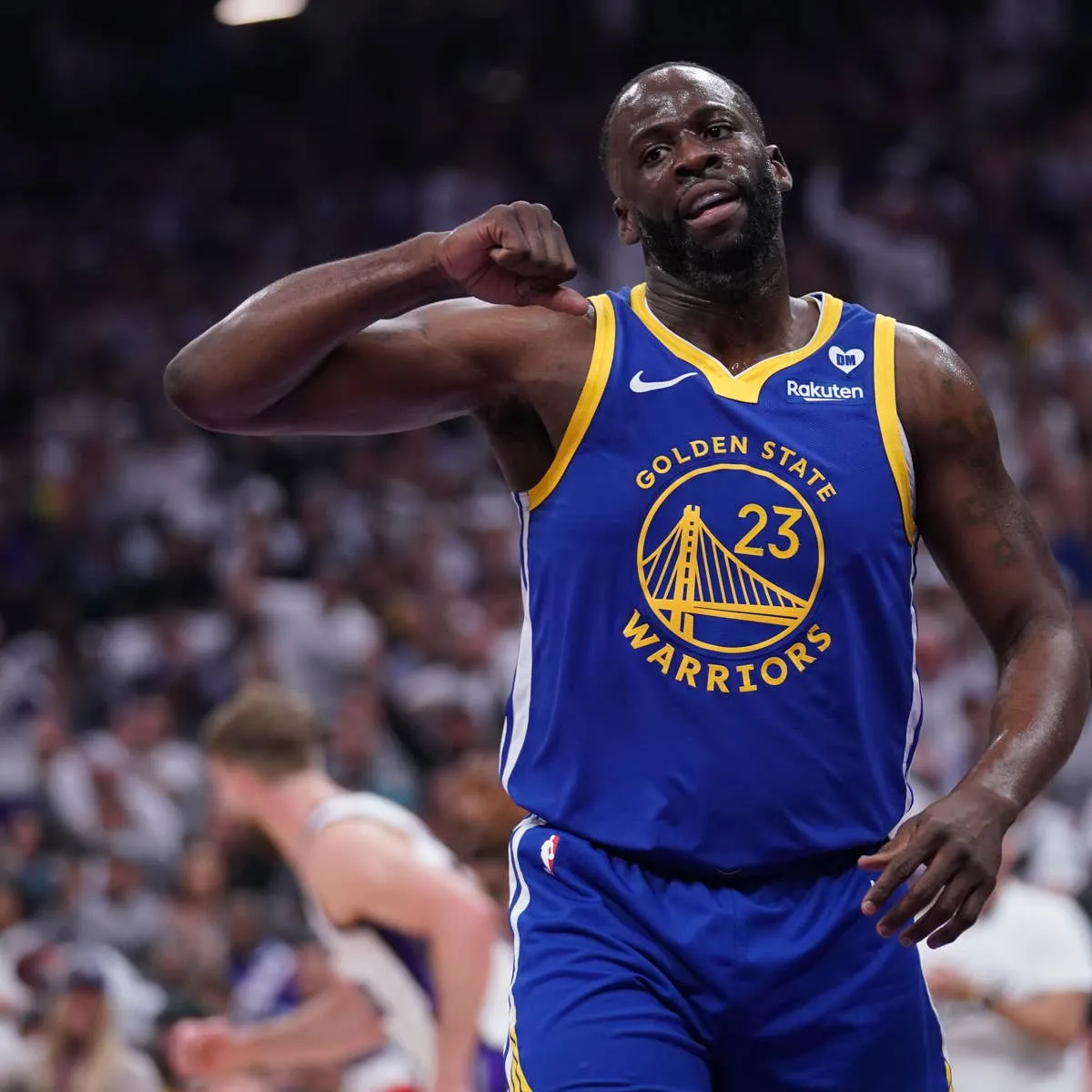 Photo: Draymond Green, via athlonsports.com
Green's retail experience gave him an appreciation for hard work that served him well when he was drafted in the second round. "When you've spent eight hours on your feet helping people find the right size Air Jordans," Green said, "two-a-day practices don't seem so bad."
Missy Franklin - Lifeguarding Between Olympic Laps
Missy Franklin was working as a lifeguard at a local pool in Colorado when she qualified for her first Olympics at age 17. The future five-time Olympic gold medalist spent her summer mornings teaching swimming lessons and her afternoons scanning the pool deck for safety hazards.
"I loved the job," Franklin recalled. "It kept me around the water when I wasn't training, and the pay helped cover gas money to get to practice." She managed to balance her lifeguard duties with her training schedule right up until she left for London in 2012, where she became the most successful American athlete of those Olympics.
John Daly - Driving Range Pro to PGA Champion
John Daly was working the pro shop at Bay Ridge Boat and Golf Club in Arkansas, selling golf balls and giving lessons to weekend hackers, when he got the call that changed his life. A last-minute withdrawal from the 1991 PGA Championship meant they needed an alternate—and Daly was ninth on the list.
He drove all night from Arkansas to Indiana, arrived at Crooked Stick Golf Club with no practice round, and proceeded to win his first major championship. From selling golf tees to holding up golf trophies in the span of a week—not bad for a guy who was making $300 a month at the pro shop.
Cheryl Miller - Working at a Sporting Goods Store Before Dominating Sports
Before she revolutionized women's basketball at USC and in the Olympics, Cheryl Miller was working at a sporting goods store in Riverside, California. The future Hall of Famer spent her high school summers selling athletic equipment and organizing inventory, learning the business side of sports while perfecting her game.
"I knew every basketball in that store," Miller remembered. "I could tell you the difference between every model, every brand. It made me appreciate good equipment when I finally got it in college." She'd go on to lead USC to two national championships and become one of the greatest players in basketball history.
Tony Gwynn - Sporting Goods Clerk to Batting Champion
Tony Gwynn was working at a sporting goods store in San Diego, selling baseball gloves and bats, when the Padres drafted him in 1981. The future Hall of Famer had been balancing his job at the store with his college baseball career at San Diego State, never imagining he'd soon be using the equipment he sold to win eight batting titles.
Gwynn's retail experience taught him to appreciate quality craftsmanship—a lesson that served him well when selecting the bats that would help him achieve a .338 career batting average. "I knew what made a good bat because I'd sold hundreds of them," Gwynn said. "The weight, the balance, the feel—I learned all that working retail."
The Beauty of Bad Timing
What makes these stories so compelling isn't just the dramatic career changes—it's the reminder that greatness doesn't operate on our schedules. These athletes weren't waiting around for their big break; they were working, earning money, gaining life experience, and developing the work ethic that would serve them in their athletic careers.
Their retail jobs weren't obstacles to overcome—they were character-building experiences that taught them customer service, time management, and the value of hard work. Skills that, as it turns out, translate pretty well to championship-level athletics.
So the next time you're feeling stuck in a job that seems unrelated to your dreams, remember: somewhere out there, a future Hall of Famer might be restocking the shelves next to you, just waiting for their moment to clock out and change the world.